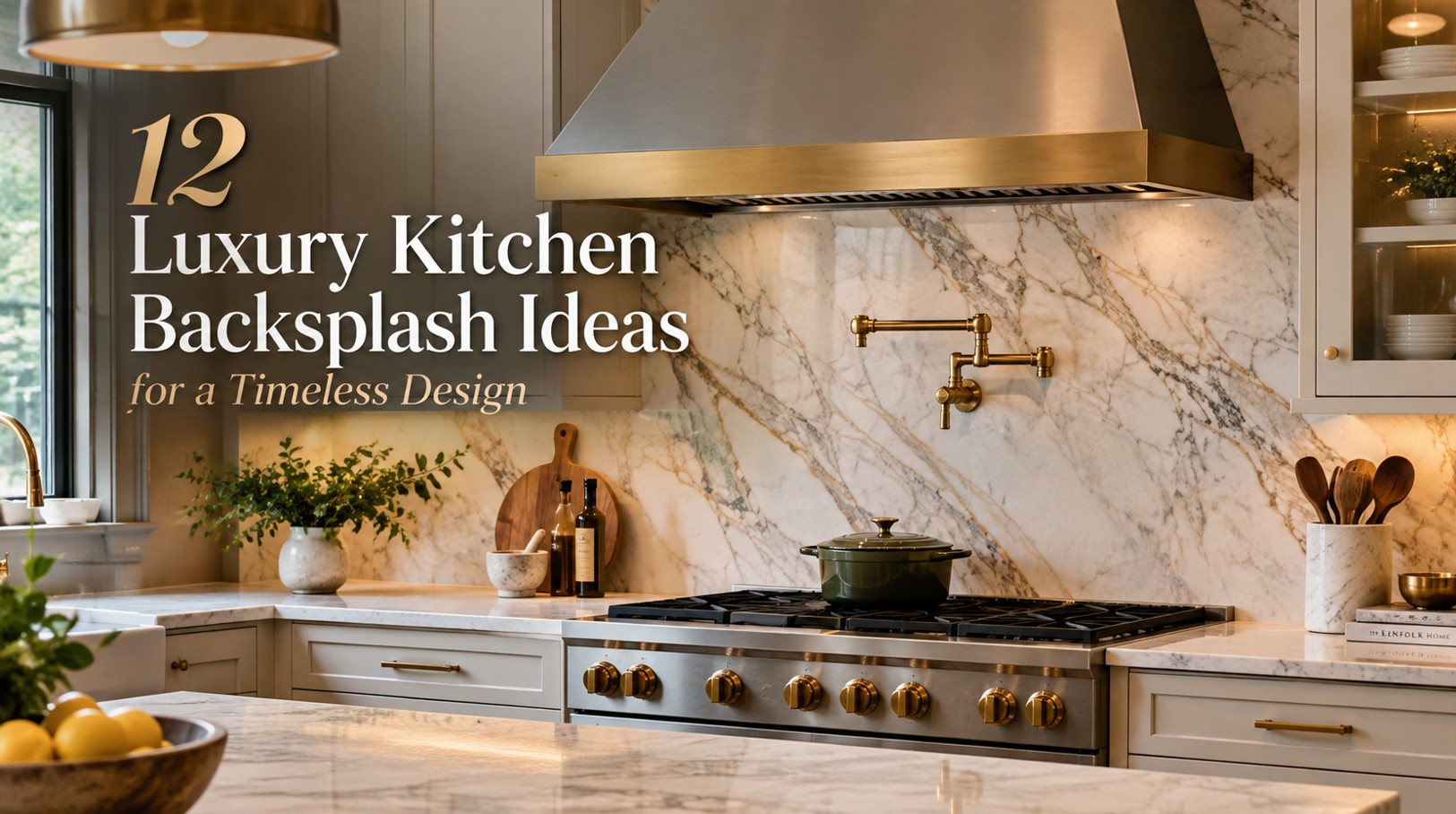
A kitchen backsplash does more than protect the wall behind a sink or cooktop. It connects the countertop to the cabinetry, introduces texture and color, and can become one of the most memorable details in the entire room. The best luxury kitchen backsplash ideas balance visual impact with easy maintenance, durability, and the architecture of the kitchen.
Whether you prefer a seamless stone surface, handcrafted tile, or a quiet neutral finish, the right choice should feel intentional rather than added at the last minute. Use this guide to compare materials, explore design directions, and plan a backsplash that looks refined for years.
What Makes a Kitchen Backsplash Look Luxurious?
A high-end backsplash is not necessarily the most expensive or decorative option. It is the one that works naturally with the rest of the kitchen. Scale, material quality, installation precision, grout lines, lighting, and the relationship between the backsplash and countertop all affect the final result.
- Material harmony: the backsplash should complement cabinet finishes, countertop veining, and hardware rather than compete with them.
- Thoughtful proportions: tile size and layout should suit the wall, openings, and cabinetry.
- Careful detailing: clean edges, aligned joints, and well-planned transitions make a noticeable difference.
- Practical performance: surfaces near cooking and washing areas should tolerate moisture, splashes, and routine cleaning.

1- Extend Natural Stone From the Countertop Up the Wall
A full-height stone backsplash creates a continuous surface and can make a kitchen feel architectural and composed. Marble offers distinctive veining, while quartzite can provide dramatic movement with strong natural character. A matching or carefully coordinated slab also reduces the visual interruption created by multiple grout lines.
This approach works especially well behind a range or across a main preparation wall. Before choosing the slab, review the actual veining and plan where seams, outlets, shelves, and the range hood will sit. Natural stone varies from slab to slab, so selecting the material in person or reviewing full-slab photographs is worth the extra time.
2- Choose Bookmatched Stone for a Statement Wall
Bookmatching places two adjoining stone slabs as mirror images, creating a symmetrical pattern. It can turn the wall behind a cooktop into a focal point without relying on additional decoration. Because the stone itself carries the design, keep surrounding finishes relatively restrained.
Bookmatched stone needs careful planning: the pattern, seam position, cabinet dimensions, and hood location should be considered together. Strong veining can be beautiful, but it should not overwhelm a compact kitchen or compete with equally dramatic countertops.
3- Use Handmade Tile for Subtle Texture
Handmade and artisan-style tiles introduce small variations in glaze, edge, and surface that make a kitchen feel warm and individual. Soft white, warm gray, muted green, and earthy beige can add depth while keeping the overall palette calm.
These tiles suit kitchens that mix tailored cabinetry with natural materials. Ask for a sample board before committing: glaze color can change significantly under daylight, warm LEDs, and under-cabinet lighting. Also review the recommended grout width and cleaning requirements, particularly behind a cooktop.
4- Keep It Timeless With a Refined Subway Tile
Subway tile remains versatile because it can read traditional, transitional, or contemporary depending on its proportions and installation. For a more elevated look, consider a longer format, a handmade finish, a vertical stack, or a carefully aligned horizontal layout.
Instead of defaulting to bright white tile with high-contrast grout, compare warm whites, pale taupe, and soft gray. A grout color close to the tile creates a quieter surface; a contrasting grout emphasizes the pattern. The right choice depends on whether the backsplash should blend in or provide a graphic detail.
5- Consider Large-Format Porcelain for a Seamless Finish
Large-format porcelain can recreate the appearance of marble, limestone, or concrete with a consistent pattern and relatively few joints. It is often a practical option for homeowners who want a continuous look and straightforward day-to-day care.
Inspect full-size samples rather than judging only a small chip. Printed veining, surface sheen, edge details, and panel size can look different at full scale. Installation is especially important with large panels, so confirm that the fabricator and installer have experience with the specific product.
6- Add Depth With a Fluted or Textured Surface
Subtle three-dimensional tile can create shadow and movement without introducing a busy color or pattern. Fluted ceramic, ribbed stone, and lightly textured porcelain can work beautifully in a restrained palette, particularly when light grazes the surface from below a cabinet or shelf.
Texture should be selected with cleaning in mind. Deep grooves and rough surfaces may collect grease near a cooking zone, so consider reserving more pronounced texture for a wall away from the range or choosing a finish that can be wiped clean easily.
7- Bring Warmth With Natural, Earth-Inspired Colors
Warm white, sand, mushroom, clay, olive, and soft brown can make a kitchen feel inviting without sacrificing sophistication. These tones pair naturally with oak or walnut cabinetry, brushed metal hardware, and stone countertops with warm undertones.
When combining finishes, compare undertones side by side. A cool gray backsplash may look disconnected beside a warm cream cabinet, even if both samples seem neutral on their own. View the materials together in the actual room’s lighting before finalizing the selection.
8- Use Contrast Carefully in a Modern Kitchen
A dark backsplash can add definition against light cabinetry, while a pale surface can soften a kitchen with deep wood or charcoal finishes. Contrast is most effective when it has a clear purpose: highlighting a cooking wall, framing a window, or connecting the backsplash to an existing countertop detail.
In smaller kitchens, too many strong contrasts can break the room into separate visual zones. Repeat one or two finishes elsewhere—such as a hardware tone or a cabinet color—to keep the design cohesive.
9- Plan the Backsplash and Countertop as One Decision
One of the most common design mistakes is choosing the countertop and backsplash separately. Even attractive materials can clash when both have bold patterns, different undertones, or competing finishes.
If the countertop has dramatic veining, a quieter backsplash often gives it room to stand out. If the countertop is visually simple, the backsplash can provide texture or a measured accent. Bring cabinet, countertop, backsplash, and hardware samples together before ordering; a coordinated sample board reveals issues that individual samples may hide.
10- Make Lighting Part of the Material Plan
Under-cabinet lighting can reveal the texture of tile, emphasize stone veining, and improve visibility on work surfaces. However, grazing light may also expose uneven installation, lippage, or surface imperfections. Decide on lighting early enough that the fixture position and backsplash material can be evaluated together.
Warm and neutral light can make finishes appear quite different, so review samples under the lighting you plan to use. Place outlets and switches thoughtfully, too: their locations can interrupt a strong stone pattern or a carefully aligned tile layout.
11- Choose Grout and Edges With Care
Grout is a small detail with a large visual effect. A close color match can make tile read as a calm, nearly continuous surface, while contrast can emphasize the geometry. Neither is automatically better; the choice should support the intended style and the tile’s proportions.
Discuss edge conditions before installation. Corners, exposed ends, window returns, shelves, and the transition to painted walls should have a deliberate finish. A clean termination can make a simple backsplash feel custom, while an improvised edge can undermine an otherwise beautiful material.
12- Balance Beauty With Everyday Maintenance
The best backsplash is one you can live with comfortably. Natural stone may need sealing and care suited to its type. Glossy finishes can show reflections and water marks; textured surfaces may require more attention around cooking areas. Porcelain and ceramic are often straightforward to maintain, but grout still needs appropriate cleaning.
Ask the supplier for written care guidance and confirm that cleaners are compatible with the selected material and grout. Consider the busiest parts of your kitchen, not just how the surface looks in a showroom.
Common Backsplash Mistakes to Avoid
- Choosing materials in isolation: review backsplash, countertop, cabinetry, and hardware together.
- Ignoring full-scale patterns: large veining and repeating tile patterns can look different across an entire wall.
- Leaving outlets until the end: electrical locations should be coordinated with the tile layout or slab pattern.
- Using high-maintenance texture in the wrong zone: consider grease, splashes, and cleaning access before selecting a finish.
- Overdesigning every surface: allow one material or feature to lead, and let the others support it.
- Underestimating installation: precise layout, cuts, seams, and edges are essential to a polished result.
How to Choose the Right Backsplash for Your Kitchen
Start with three questions: what role should the backsplash play, how much maintenance are you comfortable with, and which existing finish needs to remain the visual anchor? If you want a quiet backdrop, use a restrained color and subtle texture. If you want a focal point, consider a distinctive stone slab or a carefully composed tile pattern.
Next, check practical requirements: wall dimensions, hood and cabinet locations, outlet placement, product availability, cleaning guidance, and installation expertise. A well-chosen backsplash should feel connected to the entire kitchen rather than like a separate decorative decision.
Explore More Kitchen Design Guides
These related Kasa Di Lusso guides offer more context on cabinetry, luxury details, and renovation planning. Select an image to open the corresponding article.
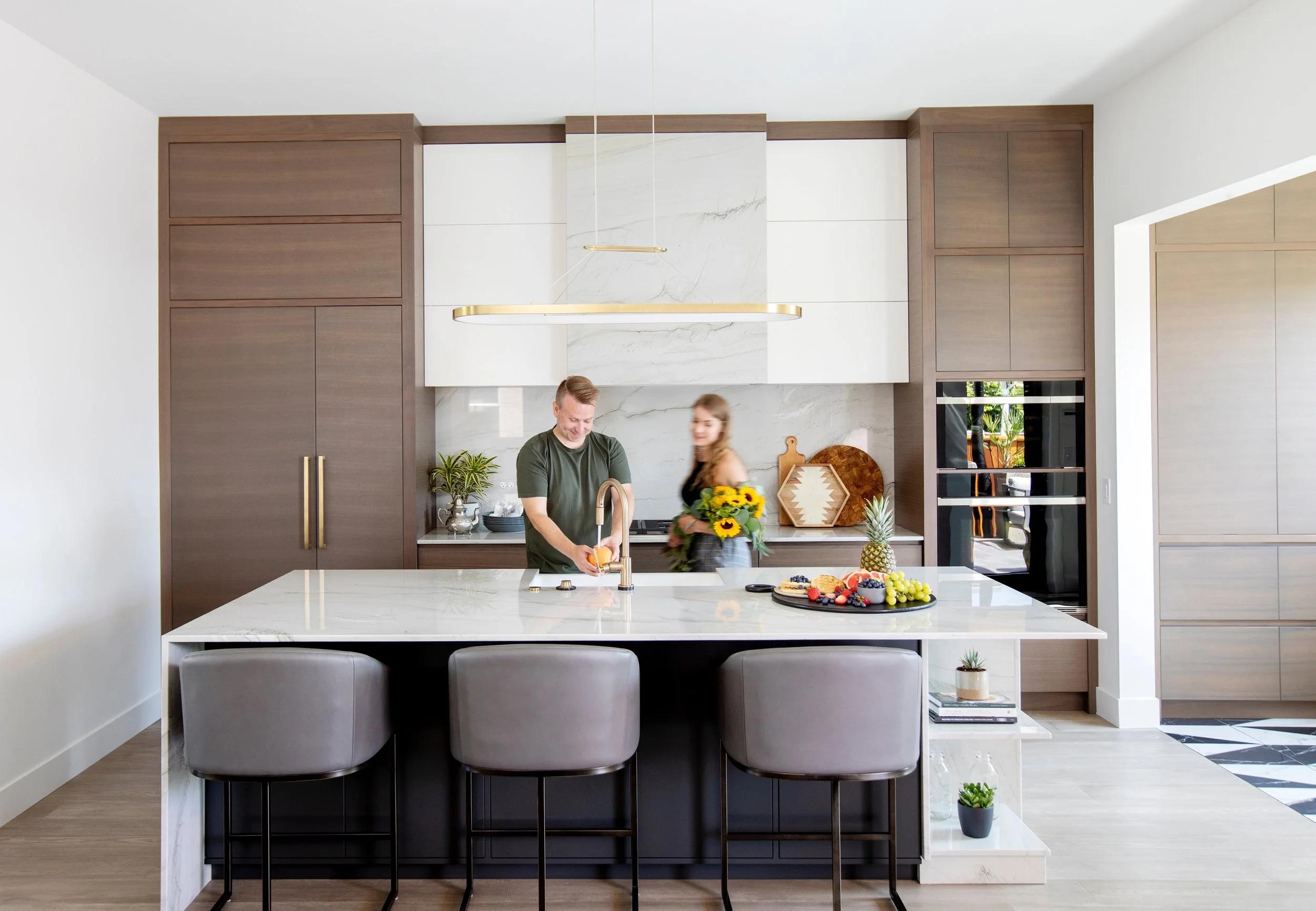 Custom Luxury Kitchen Cabinets
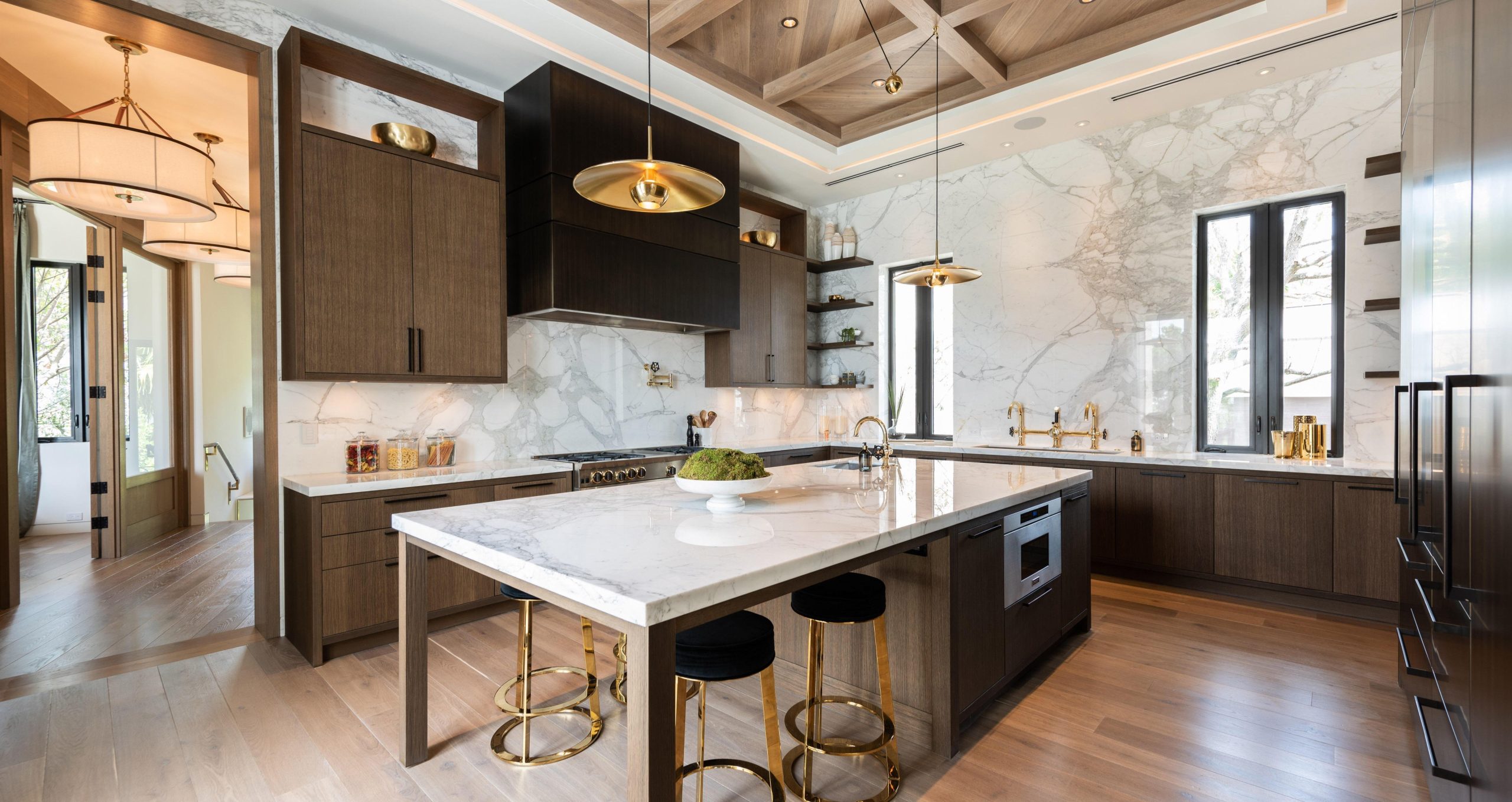 10 Details of a Luxury Kitchen
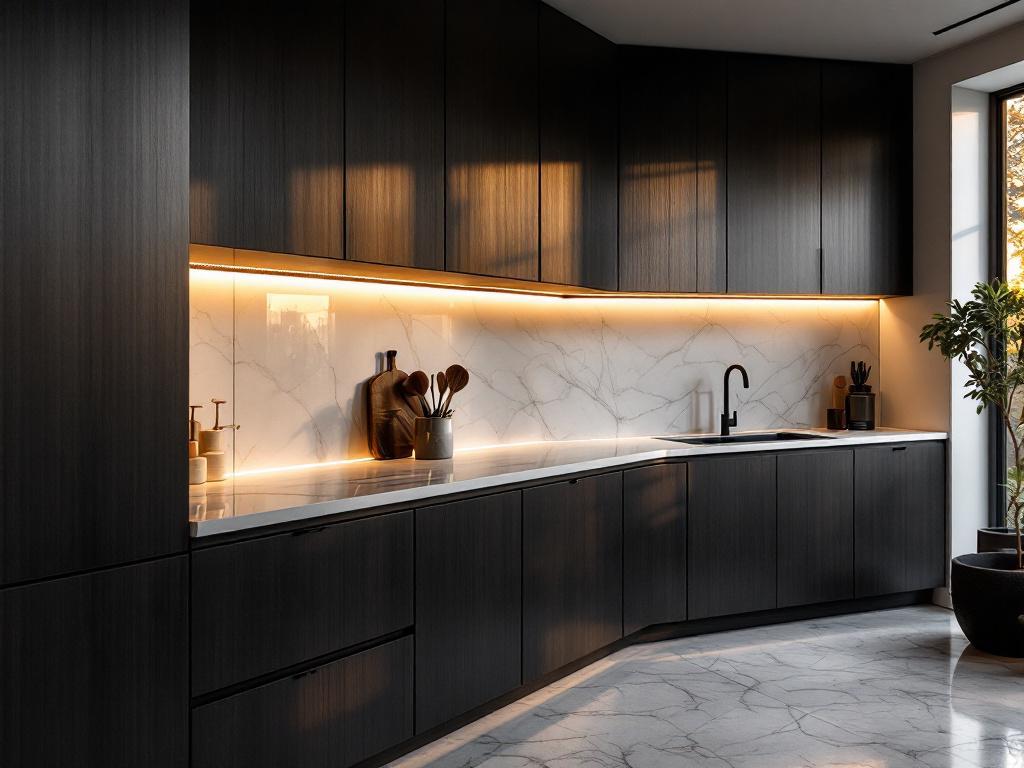 Luxury Kitchen Remodel Costs
Frequently Asked Questions
What is the most luxurious backsplash material?
Natural stone such as marble or quartzite can create a distinctive high-end look, especially when used as a full-height slab. Large-format porcelain, refined ceramic, and handmade tile can also look luxurious when selected and installed thoughtfully.
Should a backsplash match the countertop?
It should coordinate with the countertop, but it does not need to be identical. A patterned countertop often pairs well with a quieter backsplash, while a simple countertop can support more texture or pattern on the wall.
Is a full-height backsplash worth considering?
A full-height backsplash can create a more seamless, architectural appearance and reduce visual breaks. Its value depends on the material, wall dimensions, maintenance needs, and overall project priorities.
Which backsplash is easiest to maintain?
Glazed ceramic and porcelain are generally practical choices for everyday cleaning. Maintenance also depends on grout, surface texture, installation quality, and the manufacturer’s care instructions.
When should I choose the backsplash during a kitchen remodel?
Choose it while coordinating cabinetry, countertop, lighting, and electrical plans—before fabrication and installation details are finalized. Early planning helps avoid awkward cuts, misplaced outlets, and mismatched finishes.
Make Every Detail Work Together
A considered backsplash can bring a kitchen together, but its success depends on how it relates to the cabinetry, countertop, lighting, and everyday routines. Focus on material harmony, precise detailing, and realistic maintenance requirements, and the result can feel refined without being overly complicated.
If you are planning a custom kitchen, treat the backsplash as part of the overall design from the beginning—not as the final decision after everything else is installed.